Projects
-
Utilisation of recorded voice samples for developing a machine learning framework to predict pulmonary functions
Role: Lead
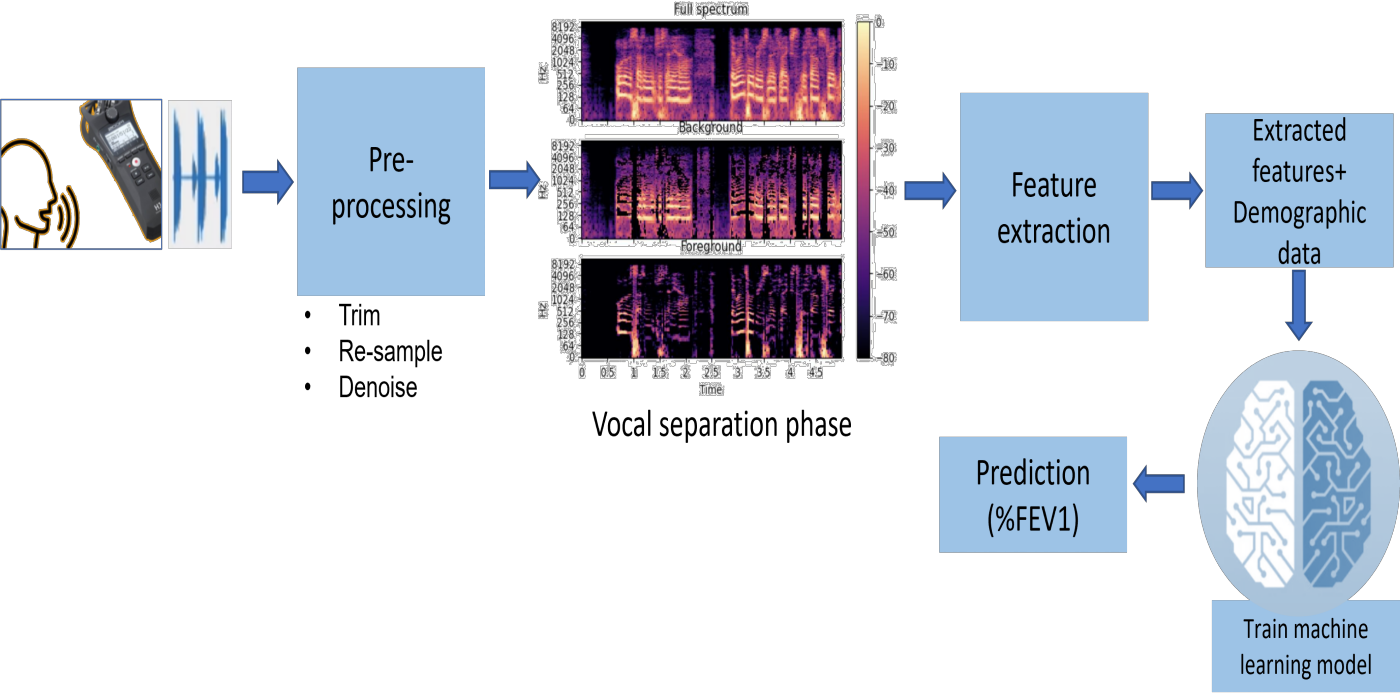
We designed a threshold-based mechanism to separate speech and breathing from voice recordings in controlled environment and developed machine learning (ML) models which can predict lung function, severity of lung function abnormality and lung function abnormality.The findings from this project will not only address the challenge of handling voice recording data for appropriately separating speech and breathing to extract features to develop prediction models with high accuracy but also have potential in implementing as a smartphone application in the future, offering a convenient and straightforward way to assess respiratory health for individuals.
-
A 3D electrocardiogram (ECG) analyser model
Role: Lead
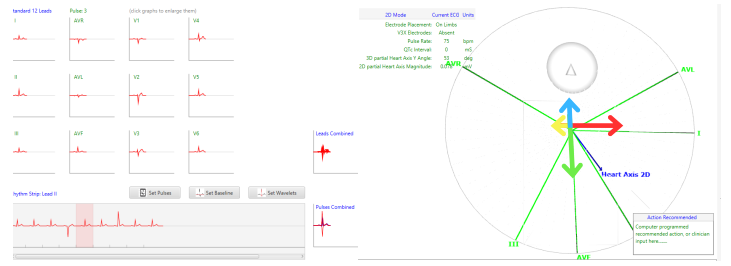
We have developed a prototype software tool to visualise the electrical signature of heart produced from electrocardiogram (ECG) data. These new tool generates a summary description of the electrical signature in a numerical format for data analysis to produce initial 3D shapes of heart signals.This pilot project aims to develop robust software package which can produce a 3D visualisation of heart and integrate the functionality of diagnosing various heart conditions, with the use of 3D shape recognition, utilising machine learning, to mark the position of defect in the heart related to the condition.
-
Prediction model for pediatric asthma
Role: Lead
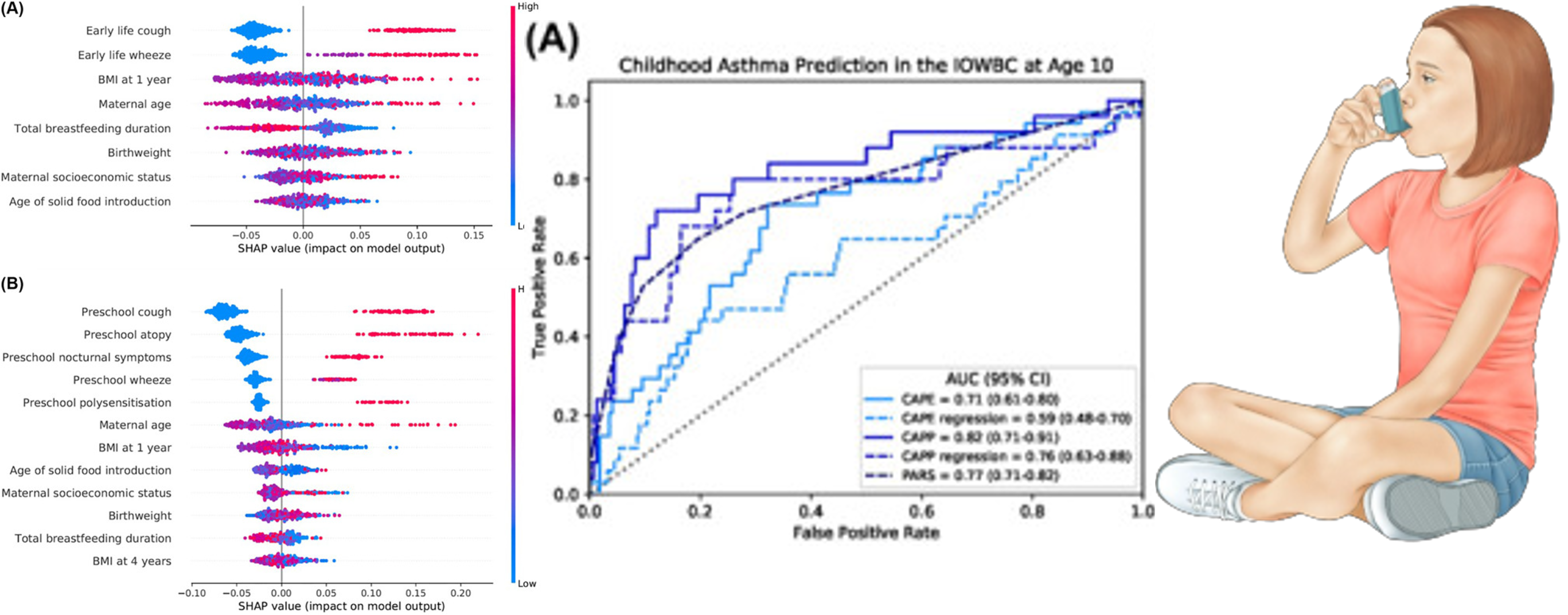
Respiratory symptoms are common in early life and often transient. It is difficult to identify in which children these will persist and result in asthma. Machine learning (ML) approaches have the potential for better predictive performance and generalisability over existing childhood asthma prediction models. This study applied machine learning approaches to predict school-age asthma (age 10) in early life and at preschool age.
-
Prediction model for pediatric asthma
Role: Lead
Respiratory symptoms are common in early life and often transient. It is difficult to identify in which children these will persist and result in asthma. Machine learning (ML) approaches have the potential for better predictive performance and generalisability over existing childhood asthma prediction models. This study applied machine learning approaches to predict school-age asthma (age 10) in early life and at preschool age.
-
Prediction model for pediatric asthma
Role: Lead
Respiratory symptoms are common in early life and often transient. It is difficult to identify in which children these will persist and result in asthma. Machine learning (ML) approaches have the potential for better predictive performance and generalisability over existing childhood asthma prediction models. This study applied machine learning approaches to predict school-age asthma (age 10) in early life and at preschool age.